
There is a wide difference between antiviral drugs and antibiotics, and you should know the effects of these two drug classifications on your body. The range of antiviral medications is narrow while the range of antibiotics is quite full.
Antiviral Drugs
The doctor may prescribe an antiviral medication for you if you suspect you recently were around someone displaying a viral illness such as flu symptoms. If you have good reason to believe you contacted a viral disease, but you are not yet showing signs and symptoms an antiviral medication may prevent you from coming down with that illness, or at least minimize the effect of that disease before it occurs.
An antiviral drug is effective, but only when administered at the first signs of contact or symptoms. An antiviral diminishes the development of the illness.
A few virus includes,
- Standard coughs
- Sore throats except for strep throat
- HIV
- Hepatitis B and C
- Flu
There are a few drugs in the antiviral category. These drugs used short-term, are not profitable for pharmaceutical companies to research or keep to a high supply.
The antiviral drugs used in the treatment of HIV are in high supply and demand, because of the many people using them and the fact that this particular antiviral drug takes the HIV infection and turns it into a chronic, not terminal condition you can manage.
HIV is not necessarily a life sentence since these antivirals came onto the drug market. Pharmaceutical companies need to put more research into a larger variety of medications to fight other viruses.
If you develop a secondary infection from a virus such as you have the flu, now you develop pneumonia is the flu many times does, you need an antibiotic to fight pneumonia.
Powerful Antibiotics
If you contact a bacterial infection on the outside or inside of the body, the doctor may prescribe for you an antibiotic. There is a broad range of antibiotics on the marketplace today, each offering different targets of healing. Antibiotics kill the bacteria in your body that is making you ill. Antibiotics also stop these bacteria from multiplying and growing.
Doctors today are taught to use extreme caution in ordering patients antibiotics because research is finding more and more people becoming resistive to the usefulness of appropriate antibiotics because people are taking too much of a particular antibiotic and building up a resistance, thus, the antibiotic becomes useless in fighting off bacterial infections for you.
You may go to the doctors when you have a bad case of the flu, and you feel you need an antibiotic. However, the doctor will not prescribe an antibiotic for you because it will not help you get over the flu and in the end, the antibiotic makes your body more harm.
There is an extensive list of reasons why your doctor may prescribe an antibiotic such as but not limited to,
- Ear infections
- Strep throat
- Sinus infections
- Urinary tract infections
- Wound infections
- Diverticulitis
- Colitis
- Bronchitis
- Pneumonia
Antibiotics also put up an invisible protective barrier between you and others around you once you have taken the antibiotic 24-48 hours.
Resistance to Antibiotics
- Do not demand any antibiotics from your doctor if he or she feels you do not need them.
- Never take antibiotics for viral infections.
- Never demand an antibiotic every time you get the sniffles or a cough.
Antibiotics are powerful drugs and when used for the right reasons save lives. Take your antibiotic, according to your doctor’s orders. Never skip doses or incomplete an antibiotic because you feel better and think you are over the infection.
]]>
Importance of Infant Immunization
Immunization is one of the most important achievements in the last century. It has saved countless lives while preventing millions of people from getting sick or incurring a lifelong disability. It is a testament to the power of vaccines that many childhood diseases that often resulted in hospitalization or death are now preventable.
It is only natural for a parent to want a good life for their child, a life free of ailments or pain. Immunization is the single most effective way of protecting a child from many serious diseases that exist today. The decision to immunize your child, therefore, is a crucial one since there is no alternative to it.
The Immunization schedule
The vaccine schedule is recommended by the AAP, CDC and most physicians. It is always reviewed on a yearly basis by a group of qualified healthcare providers and changed as necessary based on the latest research.
For your child to be fully protected, they have to be immunized starting at 2 months of age, then 4 months, 6 months and 18 months. Immunization starts at two months since this is the safest time to start the immunization process. Those babies who are not immunized at this time stand a huge chance of developing serious harm if they get sick within the first 2 years of their lives.
It is highly advisable to follow the immunizations schedule keenly and get all the shots on time. Delaying the vaccination process can be risky. Below are some of the reasons why it is best to follow the immunization schedule;
- It will ensure your child is protected as soon as it can be.
- The routine schedule is based on the best science today and is safe and works well.
- Your child will get used to the needle and this will reduce their anxiety.
- The risk factor for side effects remains the same whether you take one vaccine or four.
- You will have fewer visits to get your child’s shots if you follow the schedule.
Common Infant Immunization Myths
- Vaccines cause autism- there has not been any direct link that has been established between autism and vaccines.
- Vaccines can cause serious side effects- since it is always mandatory for a child to have a physical evaluation by a trained medical professional, it is rare to have a child develop an allergy or fatality.
- Vaccines are not needed- Vaccination has led to a decrease in serious diseases that are fatal and a drop in vaccination will lead to a resurgence of these diseases.
- It is okay to skip some vaccines- once a vaccination is skipped, the only thing protecting the child is the immunity of the people around them.
- Infant immunization is too early- children are immunized at an early age since this is the time they are at risk of having fatal complications.
Reasons to Vaccinate Your Child
- It can save your child’s life- vaccination can now protect your child from more diseases than ever before, all thanks to the progress being made in science. A good example is polio which used to be one of the most feared diseases in the world and now there are no reports of it.
- Vaccines are safe and effective- after much review from doctors and scientists, vaccines have proven to be safe.
- Immunization protects those around you- there are still cases of babies who die from vaccine-preventable diseases because they are too young to be vaccinated, by ensuring you and your kin are vaccinated, you are also protecting these babies.
- Saves time and money by saving you from prolonged disabilities.
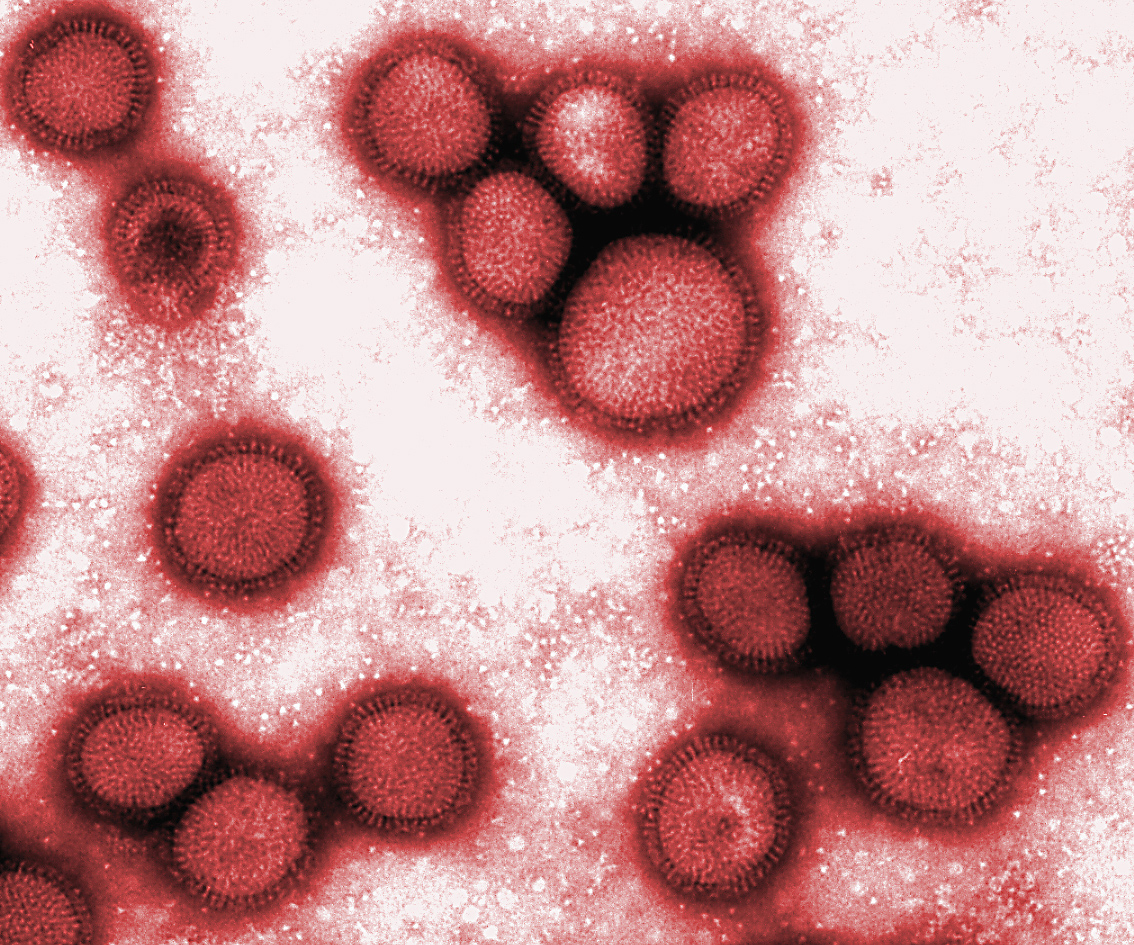
There are many people who confuse traditional cold symptoms with flu-related symptoms. It is important not to self diagnose oneself or your family members with the flu versus a common cold because the treatment options can be very different. Not to mention, there are many complications that can develop from the flu and you want to be as cautious as you can be when self-treating or seeking medical assistance. There are a number of different symptoms that you can experience with influenza type A. Not everyone that has the flu will experience these symptoms. For example, if you have received the flu shot that year but still contracted the flu, you may actually find that your symptoms are much less severe than someone who did not get the flu shot. Regardless, let’s take a look at some of the most commonly experienced symptoms associated with influenza type A so that you can be prepared in case you do become ill.
Nasal Symptoms
The flu is similar to a common cold in the sense that you will likely experience many of the nasal symptoms that come along with a cold. You can become very stuffed up, have a runny nose and experience swollen glands in your throat area. Also, a sore throat is common and sinus headaches are very prevalent when you have the flu. You can use a variety of over the counter remedies in order to treat the sinus symptoms associated with the flu. This can include saline nose spray to reduce inflammation and loosen nasal congestion, throat sprays to alleviate pain and antihistimines are often recommended as a way to dry up any excess mucus you have that is making you uncomfortable.
Body Aches
In addition to a headache, the flu can bring about some pretty unpleasant body aches. You may ache anywhere and everywhere on your body including your back, legs, arms, etc. Pain relievers such as ibuprofen and acetaminophen can make quick work of your body aches and a fever if you are experiencing one.
Appetite
When you have the flu of any strain you likely won’t feel like eating much if you were able to keep something down. Many people experience extreme nausea with the flu and sometimes vomiting and / or diarrhea.
Fatigue
One of the things that sets the flu apart from the common cold is the level of exhaustion you will feel. Of course you feel run down and tired whenever you are sick with anything, but the flu can wipe you out for days and sometimes even a couple of weeks. People who test positive for the flu type A will usually say they can’t get out of bed and find it exhausting just to get up to go to the bathroom. You may have trouble sleeping at night because of discomfort but even with sleep you still feel like you can’t get up the next day and function.
If you suspect that you or someone in your household has the flu, you should keep a close eye on your symptoms. Many doctors and hospitals prefer that you stay at home if you are ill in order to prevent passing germs on to someone else, but if you suspect you are dehydrated, your fever isn’t going away after a few days or you are feeling so weak you are having trouble standing or walking, then it’s time to contact your doctor. Most medical offices will be able to test you for different strains of the flu on site and then your doctor will help alleviate your symptoms how they see fit.
]]>
There is a wide difference between antiviral drugs and antibiotics, and you should know the effects of these two drug classifications on your body. The range of antiviral medications is narrow while the range of antibiotics is quite full.
Antiviral Drugs
The doctor may prescribe an antiviral medication for you if you suspect you recently were around someone displaying a viral illness such as flu symptoms. If you have good reason to believe you contacted a viral disease, but you are not yet showing signs and symptoms an antiviral medication may prevent you from coming down with that illness, or at least minimize the effect of that disease before it occurs.
An antiviral drug is effective, but only when administered at the first signs of contact or symptoms. An antiviral diminishes the development of the illness.
A few virus includes,
- Standard coughs
- Sore throats except for strep throat
- HIV
- Hepatitis B and C
- Flu
There are a few drugs in the antiviral category. These drugs used short-term, are not profitable for pharmaceutical companies to research or keep to a high supply.
The antiviral drugs used in the treatment of HIV are in high supply and demand, because of the many people using them and the fact that this particular antiviral drug takes the HIV infection and turns it into a chronic, not terminal condition you can manage.
HIV is not necessarily a life sentence since these antivirals came onto the drug market. Pharmaceutical companies need to put more research into a larger variety of medications to fight other viruses.
If you develop a secondary infection from a virus such as you have the flu, now you develop pneumonia is the flu many times does, you need an antibiotic to fight pneumonia.
Powerful Antibiotics
If you contact a bacterial infection on the outside or inside of the body, the doctor may prescribe for you an antibiotic. There is a broad range of antibiotics on the marketplace today, each offering different targets of healing. Antibiotics kill the bacteria in your body that is making you ill. Antibiotics also stop these bacteria from multiplying and growing.
Doctors today are taught to use extreme caution in ordering patients antibiotics because research is finding more and more people becoming resistive to the usefulness of appropriate antibiotics because people are taking too much of a particular antibiotic and building up a resistance, thus, the antibiotic becomes useless in fighting off bacterial infections for you.
You may go to the doctors when you have a bad case of the flu, and you feel you need an antibiotic. However, the doctor will not prescribe an antibiotic for you because it will not help you get over the flu and in the end, the antibiotic makes your body more harm.
There is an extensive list of reasons why your doctor may prescribe an antibiotic such as but not limited to,
- Ear infections
- Strep throat
- Sinus infections
- Urinary tract infections
- Wound infections
- Diverticulitis
- Colitis
- Bronchitis
- Pneumonia
Antibiotics also put up an invisible protective barrier between you and others around you once you have taken the antibiotic 24-48 hours.
Resistance to Antibiotics
- Do not demand any antibiotics from your doctor if he or she feels you do not need them.
- Never take antibiotics for viral infections.
- Never demand an antibiotic every time you get the sniffles or a cough.
Antibiotics are powerful drugs and when used for the right reasons save lives. Take your antibiotic, according to your doctor’s orders. Never skip doses or incomplete an antibiotic because you feel better and think you are over the infection.
]]>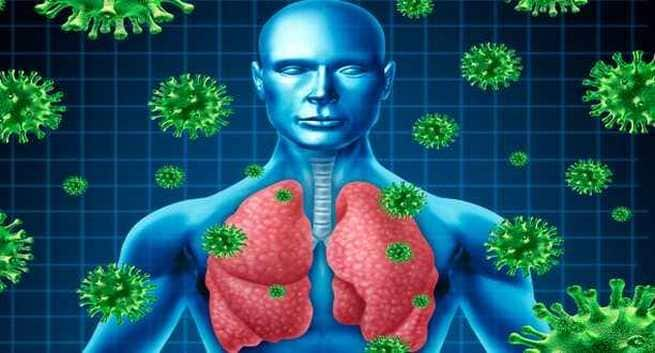
There really is no time of year when illnesses of some sort are not prevalent but when the weather turns cold, germs seem to be everywhere you go. Luckily, there are some tried and true ways of keeping yourself healthy throughout the year so you can avoid getting an RVBP (Respiratory Virus and Bacteria Panel) infection. Aside from staying away from people you know are sick, you can practically keep germs to a minimum in your household. During years like this one, when the flu is on the rise and it seems like everyone is getting sick, you can reduce your risks by getting vaccinated, washing hands properly and living a healthy lifestyle. New viruses are constantly evolving and appearing which is why even if you have been sick lately, you will want to make sure you continue to prevent other infections. This is especially true if you have small children at home or have elderly family members that could be at risk if they become sick.
Washing Your Hands
It may seem so simple that there’s no way it could be effective but washing your hands frequently throughout the day can actually go a long way towards staying healthy. It is recommended that you wash your hands after using the bathroom, after changing a diaper, after handling raw meat, eggs, fish, etc., after handling dirty laundry or cleaning areas of your home like bathrooms or kitchens. The process is simple but you need to make sure you are doing it right in order to properly kill any germs that could be living on your hands. Warm water, soap, and vigorously scrubbing the fronts and backs of your hands for at least thirty seconds is effective. Make sure to dry your hand on a paper towel that you will dispose of. Reusing a towel or sharing a towel will still promote illness.
Don’t Share Personal Items
You love the people that you live with but there are certain items in a home that should not be shared as they can spread bacteria and viruses from one person to the next in a very short period of time. Make sure to never share things like toothbrushes, make up, utensils, cups and towels. It is a good idea to keep these items in a short rotation period. Wash drinking glasses frequently, get rid of toothbrushes after you have been sick and run a good thorough wash cycle on your dishwasher frequently with all of your commonly used kitchen items.
Cover Your Mouth
If more people would properly cover their mouth when they are at home and out in public, we would greatly reduce the incidence of illness being spread around. Many people cover their mouth using a closed fist or their hand. This actually doesn’t completely prevent the spray of saliva and germs. Your best bet is to cough into the interior of your elbow as this properly covers your mouth.
In addition to all of these great tips that you can utilize to help avoid getting an RVBP infection, you can also speak with a trusted medical professional about vaccinations. You may or may not be up to date on your current vaccinations and each year you have the option for getting a number of shots that can potentially prevent illness such as pneumonia or the flu, or at least keep symptoms to a minimum if you do get sick. Also, be sure to get enough sleep each night so your body is not run down and eating healthy goes a long way towards maintaining a healthy and well-functioning immune system.
]]>
Each year it is reported when illnesses are on the rise and ‘sick season’ has officially begun. Statistics begin to come out regarding what percentage of the population is getting ill, how many deaths are taking place from related complications and what the severity of symptoms is. What many people don’t realize that there are a number of different strains of illnesses and these strains can vary and mutate from year to year. This is why a new flu shot needs to be made each year; in order to provide protection against the new virus. There are four major different types of viruses that contribute to parainfluenza viruses and each one comes with its own set of symptoms and risks, however, each of the viruses will affect the respiratory system in some form.
Symptoms
Many of the parainfluenza viruses have symptoms that are similar to the common cold and if a person contracts a mild case, it is common to be misdiagnosed. Without treatment, symptoms will go away though they do sometimes take a bit longer than your average cold. Fatigue can persist for a couple of weeks after the initial symptoms have subsided. People who have weakened immune systems or are susceptible to complications from illnesses can develop a number of complications from any of these viruses, including pneumonia which can result in death. Symptoms of any of these parainfluenza viruses can include:
-Fever
-Runny nose
-Sore throat
-Headache
-Cough
-Wheezing
-Shortness of breath
-Fatigue
Different Types
The four main types of HPIV included HPIV-1, HPIV-2. HPIV-3 and HPIV-4. Each of these viruses can affect any person regardless of how healthy they are. Some of these viruses are far more likely to affect children as many adults already have immunities to the virus or are not easily affected. Let’s take a closer look at each of these viruses:
HPIV-1
This virus is what causes the croup in young children. Croup is very similar to a cold and can often be diagnosed as one. The difference is usually the characteristic cough that occurs along with other symptoms and it is caused by inflammation and swelling of the vocal chords. The croup is most common in the fall months of the year and cases of the croup ebb and flow with the change of seasons.
HPIV-2
This virus is very similar to HPIV-1 as it also causes the croup but far less commonly. It also occurs most often in the autumn and the virus can live on a surface for up to ten hours.
HPIV-3
This infection causes infections in the lungs such as bronchitis and pneumonia. Often a secondary infection, it is very contagious during the time that symptoms are present (Usually within days three to ten of being symptomatic).
HPIV-4
There is a lot more information on the other forms of parainfluenza and this form of the virus is very rare. It doesn’t follow any typical seasonal pattern like many other viruses. You are contagious through close contact with an infected person.
If your doctor suspects that you are ill with one of these strains of parainfluenza, you will likely go through a thorough physical examination and be asked to detail what your symptoms are and how long you have been sick. Your doctor may determine that further testing can ensure that you are receiving proper medical care. An x-ray can ensure you don’t have a dangerous buildup of infected fluid in your lungs. CT scans can also give a detailed look at the state of your lungs.
]]>
When winter arrives, you know it’s the flu season. In this season, be sure to brace yourself to avoid the disease. While some people will still go for their regular workouts in the gym, it is not recommended. However, you must maintain your health not only during the flu season by all year round. You do this by not only regular and consistent fitness regime, but also a healthy diet that keeps you strong and healthy as well as helps you in fighting the disease. You may have probably wondered how can keep yourself healthy during this season. It is possible to take steps to prevent illness and also to avoid the spread to others.
Wash your hands
Foremost before thinking of anything else, you must wash your hands with clean water and ensure they are clean. Regular hand washing is one of the surest methods of avoiding the spread of germs to others. During the winter months, it is cold, and that means flu is all over and can easily be contracted. The following are some of the important tips to note
- Ensure you are well versed with hand washing techniques. Rub your hands together while running warm water on them for about twenty seconds. Use a mild hand soap to do this.
- Whenever you touch your mouth or nose, make sure you wash your hands thoroughly. As well, ensure you wash your hands before taking any meal.
Eat healthy
The various kinds of foods you take into your body have a significant impact on your overall health. Eating a well-balanced diet is vital as it can help in support of your immune system. Ensure you eat right to assist in the staving off of flu and other winter diseases.
- Aim at getting multiple servings of vegetables daily. Carrots, parsnips, and turnips are good vegetable servings for winter. You can take them in various forms including roasting them or just mixing them into warnings of soups.
- Increase your dairy intake. Milk and dairy products contain lots of vitamins including A and B12 which are vital in keeping you healthy during the cold winter.
- Try to find low-fat milk as well as reduced fat cheese. Greek yogurt and light cottage cheese is another meal you can try as well.
Limit sugar intake
Limiting sugar intake can significantly strengthen your immunity system. If you have a diet which is low in refined sugar can be of great assistance in getting rid of the influenza virus and colds. These are some of the steps you can take to ensure you limit your sugar intake
- Watch what you are drinking. Drinks such as sodas and fruits drinks do contain large amounts of sugar.
- Switched to iced tea or water. These beverages will quench your thirst minus adding sugar to your diet.
- Whenever you feel that you have a craving for anything sweet, try a piece of fruit. It contains natural sugar that is better for your body than the refined sugars.
Try home remedies
Zinc can be of great help in speeding your recovery. Another important thing you can try is essential oils. They have a myriad of healing properties. Just ensure they are properly mixed. Make a mixture of rosemary, peppermint lemon, eucalyptus and lemon oils. You will need water to mix a few drops of each.
Flu can be very discomforting. Use the information above to help you with quick healing.
]]>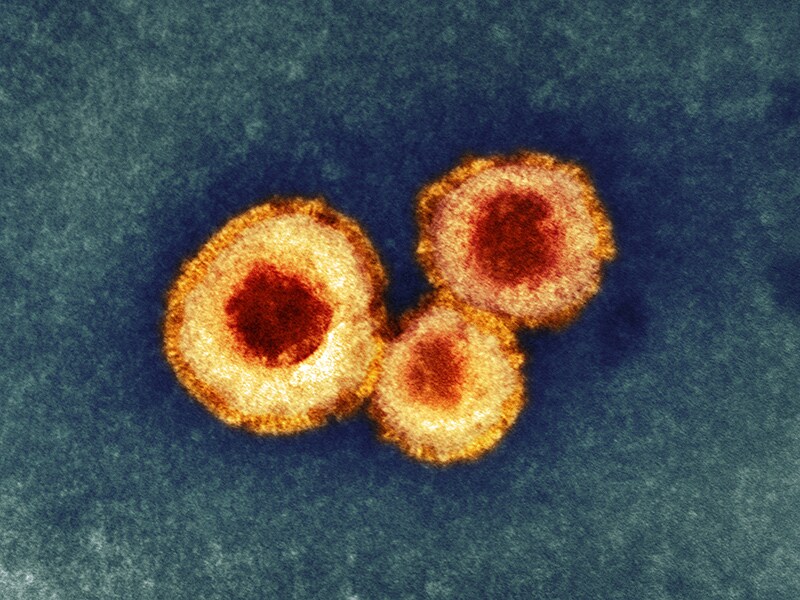
There are always several viruses to worry about during flu season, not the least of which is influenza. However, that’s not the only nasty bug of which you need to be aware. Another virus to watch out for is the human metapneumovirus, or HMPV. This virus is one of several that can cause respiratory infections across a wide range of ages. It’s especially virulent among the very young, the elderly, and populations with weakened immune responses. Since its discovery in 2001, it’s been increasingly recognized as a major cause of infections in both the upper and lower respiratory tracts.
Recognizing the Symptoms of HMPV
As with many viruses that crop up during flu season, HMPV symptoms include coughing, fever, sinus congestion, and difficulty breathing (feeling “short of breath”). These symptoms may become more complex if the virus spawns other illnesses, such as pneumonia or bronchitis. HMPV is very similar to most other viruses that cause respiratory problems. You’ll likely begin to notice symptoms a few days to a week following your exposure to the virus, and the illness can be brief or may persist for a week or more.
‘Tis the Season for Sniffles and Coughs
HMPV can start popping up in the early part of winter, but it’s most common during the later winter months, as well as in the early spring. The virus can be transmitted easily from one person to another through sneezes and coughs, casual contact like shaking hands, or through touching an infected object (think door knobs and keyboards) and then touching your mouth, nose, or eyes. Along with exposure to other common viral infections like influenza and respiratory syncytial virus (RSV), the winter and spring months can be nearly impossible to navigate without catching something.
Preventing Viral Infections
Viruses are different from bacteria and they don’t respond to antibiotic treatments. This makes prevention extremely important, because there aren’t any effective treatments for HMPV, RSV, or the flu. The only thing that can be done is to try to minimize the symptoms and wait for the virus to run its course. You can protect yourself from most viral infections if you:
- Perform proper, frequent hand-washing (at least 20 seconds of lathering with soap, then a thorough rinse in warm water).
- Refrain from sharing food, drinks, and utensils with anyone else.
- Avoid anyone who is obviously ill, especially those who are coughing or sneezing, or exhibiting other symptoms of illness like paleness, chills, gastric upset, or malaise.
- Avoid close personal contact like kissing as much as possible.
Regular cleaning of communal surfaces is also an effective way to stop the spread of viruses. Wipe down commonly-touched surfaces like door knobs, countertops, computer peripherals, and similar areas with disinfecting wipes or another appropriate cleaning product.
Being Prepared for Illness
Should you find yourself ill with a respiratory infection, it’s important to have symptom-relief medication on hand; there’s no treatment, but you can minimize most or all of the symptoms with the correct medication. If you visit your doctor, make sure they test for HMPV before accepting antibiotics to help combat the illness. Overuse of antibiotics can be extremely dangerous, both for your personal health and the health of society at large.
Antibiotics won’t help your body fight off a virus, and can actually make you more susceptible to antibiotic-resistant infections in the future. HMPV is relatively new, and some doctors may not yet have it in their sights as a potential cause for your respiratory illness. Being aware of potential health issues like HMPV is an important part of staying healthy (or getting well) during flu season.
]]>
An adenovirus belongs to an entire family of viruses that are collectively known as “adenoviruses.” This family of viruses can infect both humans and animals, most commonly resulting in illnesses affecting the respiratory tract. Here’s what you need to know about this family of viruses, and how to protect yourself against infection.
Adenovirus Symptoms
Adenoviruses cause infections by entering your body through your airways or your intestinal tract. In either case, the virus multiplies rapidly and begins to cause symptoms in as little as two days, or as long as two weeks, following exposure. Symptoms typically include:
- Headache
- Cough
- Fever
- Sore throat
- Itchy or watery eyes
- Runny nose
Young children are most at risk, along with the elderly. Compromised immunity, such as occurs with the AIDS virus or during chemotherapy treatments, can increase the likelihood of infection, as well as the severity of the infection and symptoms. Anyone can be affected by adenovirus, but the infection is usually most severe in those with compromised immune systems. However, even healthy people can find themselves infected with adenovirus. Your relative health and personal habits will generally dictate how long the virus sticks around; for healthy people, the illness runs its course fairly quickly, possibly in as little as 48 to 72 hours.
Duration of Illness
Adenovirus is a fairly short-lived virus, with most minor infections resolving around three to five days after symptoms become evident. However, some infections may last as long as a week, and the effects of a serious adenovirus infection may linger for ten days to two weeks, or longer. Adenoviruses flourish in close-quarter communities like prison, school buildings, and communal-living situations like hostels.
Adenovirus Complications and Subsequent Illnesses
Some people who become infected by adenovirus may come down with associated illnesses, like bronchitis and croup. Other manifestations of adenovirus may include skin rashes, bladder infections, diarrhea, and pink eye (conjunctivitis). In addition, adenovirus infections may be complicated by serious problems like pneumonia or infections in the lungs. Other associated illnesses may include ear or brain infections, and even meningitis.
Avoiding Infection by Adenoviruses
Adenoviruses spread in a couple of very effective ways. The first is that the virus can hang around for a long time on inanimate objects. Door knobs, counters, and other commonly-touched surfaces can harbor adenovirus much longer than you might think. If you touch these surfaces and then eat, touch your eyes, nose, or mouth, or handle other objects, you can easily spread the virus and become infected.
Another avenue of infection is common to many types of virus: airborne droplets that are expelled in every cough and sneeze of an infected person. These droplets can land on surfaces, including dishes and utensils, countertops, computer screens and keyboards, and even your own skin. By touching these surfaces or your face, you can pick up the virus and become infected quite easily. You can even become infected just by breathing in just after someone has coughed or sneezed, or by those droplets coming into contact with any of your mucous membranes, or eating food prepared by someone who’s infected.
Staying Healthy
Avoiding people who are obviously ill and washing your hands regularly (and properly) can help you avoid becoming infected. Keeping the area around you clean and using disinfecting wipes on surfaces can also help you stay clear of adenovirus infection. Be aware of touching your face and try to reduce that behavior as much as possible. The symptoms of adenoviruses can be somewhat mitigated by medication, but there’s no treatment. Like most viruses, it must simply run its course.
]]>